Song Introduction
"Long Long Road" is the title track and closing song on Ringo Starr's 22nd solo studio album, released worldwide on April 24, 2026. At 85 years old, the legendary Beatles drummer continues to demonstrate the enduring vitality and emotional warmth that have defined his solo career across six decades. This album marks his second collaboration with acclaimed producer T Bone Burnett, following the chart-topping success of 2025's Look Up, which earned Starr his first solo number one on the UK Official Country Chart and his first Top 10 on Billboard's all-genre Top Album Sales chart. Recorded in Nashville and Los Angeles with a core band affectionately dubbed The Texans, the track features the same Americana and country-tinged sound that has revitalized Starr's later-career output. As the final song on a 10-track journey, "Long Long Road" serves as both a philosophical summary and a gentle farewell, with Starr drawing on a lifetime of experience to offer wisdom about perseverance, change, and the transformative power of love. The song's Beach Boys-influenced opening harmonies and pedal steel guitar textures create a sound that bridges his Liverpool roots with Nashville's contemporary roots music scene.
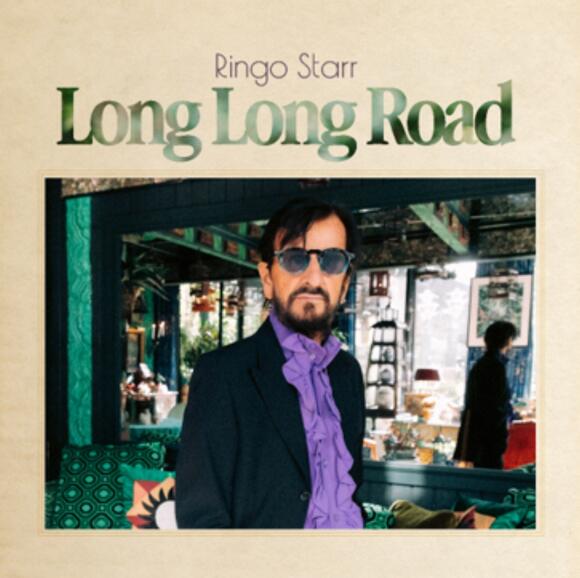
Lyrics
[Verse 1]
Life's a long, long road that leads us somewhere
It's a heavy load when you're trying to get there
We all carry on through thick and thin
I look in the mirror and wonder where, where I've been
[Verse 2]
How do we get there? It seems so far away
Might be tomorrow, it won't be today
When lightning strikes you will see the light
So get up, get out your door, get on your way
[Chorus]
Sometimes life can turn around before you know it
Open your heart, open your mind and let it flow in
You know things will always change
It's up to you to rearrange
Your life will never be the same
[Verse 3]
Don't be attacked by your thoughts, let them come in, let them go
There was a night I was on my own and I was feeling pretty low
Now things have changed since you came back to me
Without your love I'm drowning in the deep blue sea
[Pedal Steel Guitar Solo]
[Chorus]
Sometimes life can turn around before you know it
Open your heart, open your mind and let it flow in
You know things will always change
It's up to you to rearrange
Your life will never be the same
Life's a long, long road
Lyrics Meaning
The song opens with a deceptively simple observation that carries the weight of 85 years of living. "Life's a long, long road that leads us somewhere" establishes the central metaphor — existence as a journey with an uncertain destination. The repetition of "long" emphasizes both duration and difficulty, while the vagueness of "somewhere" acknowledges that most of us spend our lives not knowing exactly where we are headed. The second line introduces struggle: "It's a heavy load when you're trying to get there." Starr does not romanticize the journey; he recognizes that moving forward requires effort, that the baggage we accumulate — emotional, practical, historical — weighs us down. The phrase "through thick and thin" is a classic idiom given fresh resonance by the voice of someone who has actually survived both extremes. The verse's final image — "I look in the mirror and wonder where, where I've been" — captures the retrospective confusion of a long life, the sense that memory is not a straight line but a landscape we navigate without a map.
The second verse shifts from reflection to action. "How do we get there? It seems so far away" voices the anxiety of distance, the fear that our goals may be unreachable. The answer — "Might be tomorrow, it won't be today" — accepts the necessity of patience while maintaining hope. The lightning metaphor is striking: illumination comes suddenly, without warning, and only to those who remain in the storm. The imperative "get up, get out your door, get on your way" is not a suggestion but a command, delivered with the urgency of someone who understands that motion itself is the cure for paralysis. You cannot wait for clarity; you must move toward it.
The chorus offers the song's core philosophy. "Sometimes life can turn around before you know it" captures the unpredictability of change, the way fortune can shift in an instant. The instruction to "open your heart, open your mind and let it flow in" is both spiritual and practical — receptivity is the precondition for transformation. The acknowledgment that "things will always change" is not a lament but a liberation; if change is inevitable, then our agency lies not in preventing it but in directing it. "It's up to you to rearrange" places responsibility squarely on the individual, while the promise that "your life will never be the same" frames change as positive, an opening rather than a loss.
The third verse introduces vulnerability and redemption. "Don't be attacked by your thoughts, let them come in, let them go" offers a mindfulness practice, a way of managing the mental turbulence that accompanies difficulty. The confession of a specific night — "I was on my own and I was feeling pretty low" — grounds the song in lived experience, reminding us that even a Beatle, even an 85-year-old icon, knows isolation and despair. The turning point is not self-will but love: "Now things have changed since you came back to me." This arrival of another person — whether romantic partner, friend, or spiritual presence — transforms everything. The final image — "Without your love I'm drowning in the deep blue sea" — returns to the journey metaphor, but now the road has become an ocean, and love is the vessel that keeps us afloat.
The pedal steel guitar solo serves as an instrumental meditation, a moment of wordless reflection that allows the listener to absorb the song's emotional weight. Its country textures ground the philosophical lyrics in a specific musical tradition, connecting Starr's present to his 1970 Nashville sessions for Beaucoups of Blues and, further back, to the Carl Perkins covers The Beatles recorded in their early years.
The final chorus adds only one line — "Life's a long, long road" — but this repetition transforms the opening metaphor into a closing benediction. What began as a description ends as an acceptance, a peaceful acknowledgment that the journey continues and that we are still on it.
Conclusion
"Long Long Road" is a masterclass in late-career artistry, demonstrating that age does not diminish creative power but transforms it. Ringo Starr does not try to compete with the energy of his youth; instead, he offers something only experience can provide — perspective. The song's wisdom is hard-won, earned through a lifetime that has included the highest peaks of fame and the deepest valleys of personal struggle. By closing his 22nd album with this track, Starr creates a bookend to a remarkable journey that began in Liverpool's working-class neighborhoods and has led to Nashville recording studios, Grammy stages, and the Grand Ole Opry. The collaboration with T Bone Burnett has proven transformative, allowing Starr to access a musical vocabulary — country, Americana, roots — that feels both fresh and deeply connected to his history. For listeners, "Long Long Road" offers more than nostalgia; it offers guidance. In a world obsessed with youth and speed, Starr reminds us that the most valuable thing an artist can offer is not innovation but integrity, not novelty but truth. The road is long, the load is heavy, and the destination remains uncertain. But as long as we keep moving, keep opening our hearts, and keep allowing love to find us, the journey itself becomes the point. At 85, Ringo Starr is not looking back with regret or forward with fear. He is simply traveling, one more pilgrim on a long long road, grateful for the company and wise enough to know that the mirror will always hold more questions than answers.
