Song Introduction
JPEGMAFIA (born Barrington DeVaughn Hendricks, also known as "Peggy") announces "New Era," the seventeenth track from his 2026 album EXPERIMENTAL RAP, released on May 21, 2026 via AWAL. Clocking in at 2 minutes and 27 seconds, the song is a generational manifesto—a track that explicitly names its influences while declaring their obsolescence, that celebrates the artist's own strategic brilliance while acknowledging the cost of being dismissed by those who cannot comprehend it. Written, produced, and mixed entirely by JPEGMAFIA himself, the track sits at a pivotal juncture in the album, following the overwhelming illumination of "Lights" and preceding the brief, fatalistic meditation of "One Day It Will Be Over."
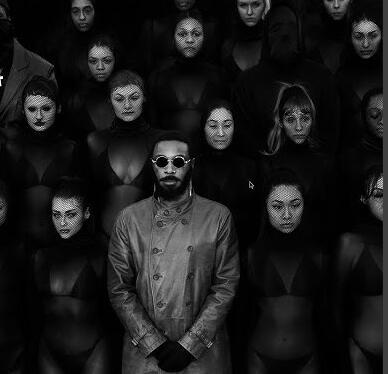
The title "New Era" is both a declaration and a demand. It announces that the time of JPEGMAFIA's predecessors has ended and his own has begun. But it also acknowledges that eras do not emerge from nowhere; they are built on the foundations of what came before, even as they demolish those foundations to create something unrecognizable. The track's Chorus is a litany of names—Jody Breeze, Juelz Santana, Gucci Mane, 50 Cent—that maps the geography of mid-2000s hip-hop, the era when JPEGMAFIA was coming of age. By naming these figures, he pays homage while simultaneously claiming to have surpassed them. The new era is not a rejection of history; it is history's violent, necessary continuation.
2026 has been a watershed year for JPEGMAFIA. Beyond releasing what he calls his "era-defining magnum opus," he contributed to BTS's comeback album ARIRANG on the track "FYA," produced for Ye and Ty Dolla Sign's Vultures 1, and saw Beyoncé feature his song "don't rely on other men" during her Cowboy Carter Tour. He also served as an opening act for Linkin Park's global "From Zero" stadium tour and is set to embark on his own 20-date North American Experimental Rap Tour this autumn, with European festival appearances at Lowlands, Pukkelpop, All Points East, and Electric Picnic. "New Era" arrives in this context as both a victory lap and a battle cry—a reminder that despite his mainstream successes, JPEGMAFIA still sees himself as an insurgent, a revolutionary, the leader of a movement that the establishment is desperate to dismiss.
Lyrics
[Intro]
You know?
Yeah
Let's do this
[Chorus]
Look, I come from an era where niggas was bumpin' Jody Breeze, Juelz, Gucci and 50
I come from an era, you hit that bitch with the thicky, she defend you like a Swiftie
I came in the game with a plan and I executed it so well, they wanna dismiss me
Off that twisted metal with unicorns, I don't settle, I know regular bitches miss me
Breathe (Ah)
[Verse 1]
Flew so many bitches out, they thought that I was traffickin'
These bitches gotta be different buyin' fufu shit from Africans
Pepper spray, covert packaging, yo' bitch can still wanna tag me in
Yo' back's up on the wall, shakin' it off, you get to clappin'
Now cops don't need to get called, reasonable cause, baby, they cappin'
They can't search us without a cause, I know the law, they be rappin' 'bout that shit
I don't need no one but that bitch, I don't know who she fuckin' with
I don't know if she think I'm rich, I just put 80 on my wrist
You entertainin' other dick, that's so frustratin'
Gotta be careful where you aimin', they'll find the shells in the casing
Whipping on these niggas, you 35 in a basement
With parasocial activities, your life is what you make it
Hoes in the Sprinter, she throwing M's when she shake it
Now I used to give out fades, now I got paid, now I'm more patient
[Chorus]
Look, I come from an era where niggas was bumping Jody Breeze, Juelz, Gucci and 50
I come from an era, you hit that bitch with the thicky, she defend you like a Swiftie
I came in the game with a plan and I executed it so well, they wanna dismiss me
Off that twisted metal with unicorns, I don't settle, I know regular bitches miss me
Breathe (Breathe, ah)
[Verse 2]
Back in the yard, if we up it, the judge won't under-rug it
Uncomfortable when I tuck it, you better not miss or duck it
I seen some niggas drip buckets, I gave my hand to cuff it
I know my leader's a puppet, he lettin' Putin fuck her
I got the keys to the Bimmer, bitch, Sim Simma
We light you up like Akon and crack your bulbs till you dimmer
How in the fuck is you makin' a buck? Niggas be lame and not giving a fuck
Niggas be stickin' that bitch like a puck, now I be treating that ho like a slut
Gotta have a son to trust, everyone gonna call it luck
You gotta keep the ball in front, slide your feet and look for the cut
These bitches really wanna fuck, they want everything all at once
They chippin' at my tolerance, some of these hoes I ain't proud of them
I only hit it once, then she egged my car and then called a bunch
I gotta take your dinner and eat it in front of you for the ones, bitch
[Chorus]
I come from an era where niggas was bumping Jody Breeze, Juelz, Gucci and 50
I come from an era, you hit that bitch with the thicky, she defend you like a Swiftie
I came in the game with a plan and I executed it so well, they wanna dismiss me
Off that twisted metal with unicorns, I don't settle, I know regular bitches miss me
Breathe (Ah)
Lyrics Meaning
Intro: The Casual Command
The song opens with a deceptively casual exchange: "You know? / Yeah / Let's do this." This is not a question seeking information; it is a rhetorical device that establishes mutual understanding between speaker and listener. The "Yeah" confirms that the listener already knows what is coming. The "Let's do this" is not an invitation but a command. The new era does not ask for permission; it announces its arrival and expects compliance. The brevity of the Intro creates a sense of urgency—there is no time for preamble, no need for explanation. The era is here. Let's do this.
Chorus: The Genealogy of Influence
The Chorus is the song's structural and thematic anchor, repeated three times with slight variations that deepen its meaning. The opening line—"I come from an era where niggas was bumpin' Jody Breeze, Juelz, Gucci and 50"—is a roll call of mid-2000s hip-hop royalty. Jody Breeze was a member of Boyz n da Hood, the Atlanta group that helped establish the trap sound; Juelz Santana was a key figure in Dipset, the Harlem collective that defined the era's flamboyant style; Gucci Mane was emerging as the godfather of trap music; and 50 Cent was arguably the biggest star in the world, the bridge between street credibility and mainstream dominance. By naming these figures, JPEGMAFIA maps his own origins. He is not pretending to have invented his sound ex nihilo; he is acknowledging the soil from which he grew.
But the second line performs a crucial pivot: "I come from an era, you hit that bitch with the thicky, she defend you like a Swiftie." The "thick" reference connects to the physical ideal of contemporary hip-hop—the voluptuous body type celebrated in modern rap culture. But the Swiftie reference is the line's masterstroke. Taylor Swift's fans, known as "Swifties," are legendary for their defensive devotion, their willingness to attack anyone who criticizes their idol on social media. To say that a woman defends you "like a Swiftie" is to say that her loyalty is total, digital, and weaponized. She is not just your partner; she is your online militia, your stan army, your unpaid publicist and bodyguard. The juxtaposition of Gucci Mane's trap aesthetic with Taylor Swift's pop fandom creates a generational bridge that is both comic and profound. The new era does not respect genre boundaries; it consumes them all.
The third line—"I came in the game with a plan and I executed it so well, they wanna dismiss me"—is the Chorus's emotional core. JPEGMAFIA acknowledges that his success is not accidental; it is the result of strategy, patience, and calculation. But the world's response to this excellence is not celebration but dismissal. "They wanna dismiss me" suggests that the establishment—critics, industry figures, perhaps even fans of the older era—cannot accept that an outsider, an experimentalist, a self-producer could achieve what he has achieved through sheer competence. The dismissal is a defense mechanism, a way of protecting older hierarchies from the threat of new competence.
The final line—"Off that twisted metal with unicorns, I don't settle, I know regular bitches miss me"—is a surreal image that defies easy interpretation. "Twisted metal" evokes the PlayStation racing game series known for its vehicular combat, suggesting destruction, competition, and digital culture. The "unicorns" introduce fantasy, innocence, and rarity. To be "off" both is to be fueled by contradiction—violence and whimsy, destruction and magic. The "I don't settle" is a refusal of compromise, a declaration that the new era will not be watered down for mass consumption. And the "regular bitches miss me" suggests that his absence from conventional spaces—radio, major label playlists, traditional media—is felt by those who cannot access him. He is not missing them; they are missing him. The power dynamic is clear.
The "Breathe (Ah)" that punctuates each Chorus is a reminder of physicality, of mortality, of the body that produces these words. Even as he declares a new era, JPEGMAFIA must breathe. Even gods need oxygen.
Verse 1: Trafficking, Fufu, and the Law
Verse 1 opens with a startling accusation turned boast: "Flew so many bitches out, they thought that I was traffickin'." The scale of his sexual tourism is so vast that observers suspect criminal enterprise. But the suspicion is also a commentary on how Black male mobility is policed—any movement of women across space by a Black man is read as potential trafficking, while similar behavior by white or wealthy men is normalized. JPEGMAFIA reclaims this suspicion as evidence of his excess, his abundance, his refusal to be contained by conventional morality.
The "fufu" reference ("These bitches gotta be different buyin' fufu shit from Africans") uses slang for counterfeit or fake products, often applied to luxury goods. His partners are so desperate for status that they purchase fake designer items from African vendors; he finds this both contemptible and amusing. The "covert packaging" reference that follows suggests that his own operations—sexual, commercial, or criminal—are conducted with military precision. Even pepper spray is part of his arsenal, a tool of self-defense that doubles as threat.
The legal knowledge displayed in the next lines is striking: "They can't search us without a cause, I know the law, they be rappin' 'bout that shit." JPEGMAFIA distinguishes himself from rappers who merely perform legal expertise; he actually possesses it. The Fourth Amendment reference ("reasonable cause") suggests that he has studied the Constitution, perhaps during his military service, perhaps through personal research. He knows that the police who "cap" (lie) about their authority can be challenged, and he challenges them not with violence but with knowledge. This is the new era's weapon: not just guns but jurisprudence, not just muscle but precedent.
The "80 on my wrist" reference ("I just put 80 on my wrist") specifies an $80,000 watch, a marker of wealth that is both display and defense. The frustration that follows—"You entertainin' other dick, that's so frustratin'"—reveals a crack in the armor. Even as he boasts of abundance, he is wounded by infidelity, by the possibility that his partner's attention might wander. The "shells in the casing" reference connects sexual jealousy to firearms: if you are going to shoot, be careful where you aim, because evidence remains. The "35 in a basement" reference ("Whipping on these niggas, you 35 in a basement") is a devastating age critique. At 35, still living in a basement, still engaged in "parasocial activities"—obsessive online engagement with celebrities or fictional characters—you have failed to grow. Your life is what you make it, and you have made nothing.
The final lines of Verse 1 turn to automotive luxury and transformed patience. The "Sprinter" is a Mercedes van favored by celebrities for its spaciousness and privacy; the "M's" she throws are both money signs and the physical gesture of making it rain. The "fades" reference ("Now I used to give out fades") connects to the haircut style but also to the act of fading someone—disappearing from their life, leaving them behind. Now that he is paid, he is "more patient." Wealth has not made him more aggressive; it has made him more strategic. He can afford to wait, to calculate, to let his enemies destroy themselves while he watches from the Sprinter.
Verse 2: The Yard, the Puppet, and the Dinner
Verse 2 opens with prison imagery: "Back in the yard, if we up it, the judge won't under-rug it." The "yard" is the prison recreation area; "up it" means to draw a weapon. The promise is that if violence occurs, the judge will not sweep it under the rug—justice will be visible, public, unavoidable. The "tuck it" reference that follows describes the discomfort of concealing a weapon, the physical anxiety of carrying illegal heat. "You better not miss or duck it" is a challenge: if you draw, you must use; if you flinch, you die.
The "drip buckets" reference ("I seen some niggas drip buckets, I gave my hand to cuff it") connects to fashion ("drip") and arrest ("cuffs"). He has seen people so stylish they seemed to drip luxury, and he has helped arrest them—perhaps literally, as a military police officer, or metaphorically, as a cultural critic who exposes fraud. The political critique that follows—"I know my leader's a puppet, he lettin' Putin fuck her"—is one of the track's most explicit political statements. The American president (unnamed but implied) is a puppet of Russian interests, and "Putin fuck her" suggests that the nation itself is being sexually dominated by foreign power. The vulgarity is deliberate; geopolitical submission is rendered as sexual violation, making abstract policy viscerally comprehensible.
The "Sim Simma" reference ("I got the keys to the Bimmer, bitch, Sim Simma") connects to Beenie Man's dancehall classic "Who Am I (Sim Simma)," a song about automotive and sexual conquest. By invoking this reference, JPEGMAFIA places himself in a lineage of Caribbean and Black British musical influence that extends beyond American hip-hop. The Akon reference ("We light you up like Akon and crack your bulbs till you dimmer") connects to the Senegalese-American singer known for his bright, melodic hooks and his philanthropic work bringing electricity to Africa. To "light you up" is to shoot you; to "crack your bulbs" is to destroy your illumination, your visibility, your life. The violence is total, the darkness complete.
The hockey reference ("Niggas be stickin' that bitch like a puck") transforms sexual penetration into sports metaphor. To "stick" in hockey is to control the puck with one's stick; to "stick" a woman is to penetrate her. The dehumanization is deliberate and disturbing—she is not a person but an object of athletic competition. The "son to trust" reference ("Gotta have a son to trust, everyone gonna call it luck") suggests that fatherhood is the only relationship that guarantees loyalty, and even that guarantee is fragile—outsiders will attribute your success to chance rather than strategy.
The basketball reference that follows—"You gotta keep the ball in front, slide your feet and look for the cut"—is genuine defensive advice. In basketball, keeping the ball in front of you and sliding your feet (rather than crossing them) prevents the offensive player from driving past you. "Looking for the cut" means watching for teammates who are moving without the ball, preparing to receive a pass. This is not just sports advice; it is life advice. Stay grounded. Watch your angles. Anticipate movement. The new era requires defense as much as offense.
The final lines of Verse 2 are among the most visceral on the album. "I only hit it once, then she egged my car and then called a bunch" describes a sexual encounter that ends in vandalism and harassment. The "egg" is both food and weapon, a messy, humiliating attack on property. The phone calls that follow suggest stalking, obsessive attachment, the inability to accept rejection. And the final image—"I gotta take your dinner and eat it in front of you for the ones, bitch"—is a primal assertion of dominance. To eat someone's dinner in front of them is to consume their sustenance, their labor, their future. The "ones" refers to his crew, his day-ones, the people who were with him before the success. This meal is not just for him; it is for them, a communal ritual of triumph over the defeated.
Conclusion
"New Era" is one of the most structurally conventional and thematically radical tracks on EXPERIMENTAL RAP—a song that uses the familiar architecture of hook-and-verse rap to deliver a message of generational succession that is as unsettling as it is undeniable. In just over two and a half minutes, JPEGMAFIA constructs a genealogy of influence, a critique of political power, a meditation on legal knowledge, and a portrait of sexual economics that refuses to separate the personal from the political, the historical from the immediate.
What distinguishes this track from standard "new school vs. old school" rap narratives is JPEGMAFIA's refusal to reject his predecessors entirely. He does not disown Jody Breeze, Juelz, Gucci, or 50; he claims them as ancestors, as the soil from which he grew. The new era is not a revolution against the past but a revolution within it, a transformation that preserves what is useful and discards what is obsolete. The Swiftie reference is not mockery of pop culture but absorption of it; the Sim Simma reference is not nostalgia for dancehall but continuation of it; the legal knowledge is not performative expertise but lived experience.
The song's placement on EXPERIMENTAL RAP is significant. It follows "Lights," with its meditation on visibility and pharmaceutical culture, and precedes "One Day It Will Be Over," one of the album's shortest and most fatalistic tracks. "New Era" serves as the album's declaration of temporal authority—the moment where JPEGMAFIA stops looking backward at his influences and forward at his legacy. It suggests that the experimental rap he has created is not a departure from tradition but its necessary evolution, the form that hip-hop must take if it is to survive the contradictions of the twenty-first century.
Ultimately, "New Era" is a song about the anxiety of influence and the violence of succession. Every new era requires the destruction of the old, and every revolutionary must eventually become the establishment he once opposed. JPEGMAFIA is aware of this paradox; the "dismiss me" reference suggests that he already sees the dismissal coming, the attempt to render him obsolete before his era has even fully begun. His response is not to negotiate but to accelerate—to breathe, to execute, to keep the ball in front and look for the cut. The new era is here. The old era is over. And dinner is served.
