Song Introduction
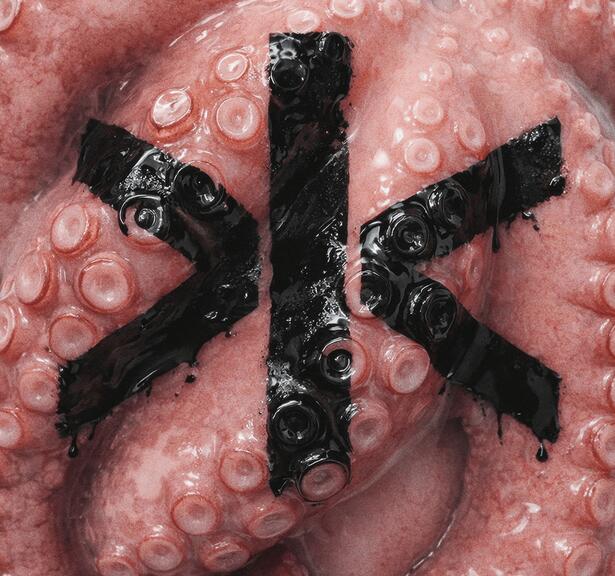
"SICHEF." is a high-energy track from Puerto Rican artist Álvaro Díaz's third studio album, OMAKASE, released on May 22, 2026, under Universal Latino. The album title, derived from the Japanese phrase meaning "I'll leave it to you," reflects Díaz's artistic philosophy of trusting the creative process and curating an experience for his listeners. While "INAROW62." explored romantic devotion, "SICHEF." shifts gears into a braggadocious, celebratory anthem that channels the intensity of a professional kitchen into a metaphor for Díaz's hustle and success in the music industry. The title itself, "Sí, Chef" (Yes, Chef), is a common response in culinary environments indicating readiness and respect for authority—here, Díaz reclaims it as a declaration of his own command over his craft. The track is a sonic feast of sharp wordplay, Puerto Rican street credibility, and global ambition, produced with the precision that the "chef" metaphor demands.
Lyrics
[Intro]
Sí, chef
Sí, chef
Sí, chef
Sí, chef
[Verso 1]
Ha pasa'o tiempo, sigo en la cocina (Shh)
Los pongo en sport, se prende la turbina (Sí, chef)
Billetes azules me dan dopamina (Sí)
Sueno en el museo, también en la esquina (Sí, chef, ah)
Antes cogía lucha, ya todo es OK
Me roban un Grammy y ahora valgo má' (Sí, chef)
Son par de año' durmiendo en el piso
Ahora por una hora son 500K (Sí, chef)
Mírame, fuck
Ha pasa'o tiempo y yo sigo aquí (Chef)
¿Por qué están mordíos' que me toque a mí?
Si cuando se les dió, yo les aplaudí (Sí, chef)
Si prendo la estufa (Shh)
Soy el favorito de tu favorito (Chef)
Haciendo ruido sin buscar sonido
Y querido en to' lao' como Tito en Caimito, desde chamaquito
[Puente]
Estos hijos de puta están bien confundío'
Tanto que roncaron y ahora están dormío'
Dos modelo' encima, bien amanecío'
Llegaron contigo y se fueron conmigo
¿Que empezaron qué? Jajajaja, me río
Yo nunca los vi en Carolina, Martino
Ando por Shibuya cachándome un Nigo
El R32 es Godzilla, cabrón, no la force'
[Verso 2]
Que ya caché el carro que tienes en Forza, eh
Ya tenía el respeto, ahora tengo la bolsa, yeah
S y rayita en la bolsa, yeah, yeah
Subestimaron, al rato me odiaron y ahora me quiere, mamón
Me paso po' el bicho tu top ten, cabrón
Soldout sin tu play-play-play-play-play—<
Ah, y yo le cogí el bicho tampoco
Lyrics Meaning
The lyrics of "SICHEF." are a masterclass in lyrical bravado, weaving together metaphors of culinary mastery, street survival, and industry dominance into a cohesive narrative of self-made success.
Intro: The Command
The repetition of "Sí, chef" serves as both a military-style drill and a mantra. In professional kitchens, this phrase signals readiness to execute orders. Here, it establishes Díaz as both the chef and the disciplined force behind his own operation—ready to cook up hits at a moment's notice.
Verso 1: From the Kitchen Floor to the Stage
The opening line, "Ha pasa'o tiempo, sigo en la cocina" (Time has passed, I'm still in the kitchen), immediately grounds the song in the central metaphor. The "kitchen" is both literal and figurative—it represents the grind, the creative laboratory where Díaz crafts his art. "Los pongo en sport, se prende la turbina" (I put them in sport mode, the turbine turns on) suggests he shifts his competitors into high gear just by entering the space, his presence alone activating the industry's engine.
The reference to "billetes azules" (blue bills, likely referring to hundred-dollar bills or Puerto Rican currency) giving him dopamine is a raw admission of how financial success fuels his drive. Yet he balances materialism with artistic credibility: "Sueno en el museo, también en la esquina" (I sound in the museum, also on the corner). This duality is crucial—Díaz sees himself as both high art and street culture, accessible yet elevated.
The narrative of struggle turning into triumph is viscerally detailed: "Son par de año' durmiendo en el piso / Ahora por una hora son 500K" (A couple of years sleeping on the floor / Now for one hour it's 500K). This is not abstract success; it is the quantified value of his journey from poverty to commanding half a million for a performance. The Grammy mention—"Me roban un Grammy y ahora valgo má'" (They rob me of a Grammy and now I'm worth more)—suggests a past snub that only increased his value, turning industry rejection into market validation.
The verse closes with a layered boast: "Soy el favorito de tu favorito" (I'm your favorite's favorite), positioning him as the artist other artists admire. The reference to "Tito en Caimito" invokes a beloved local figure, cementing his status as a hometown hero who has maintained his roots despite global success.
Puente: Global Domination and Local Pride
The bridge is a rapid-fire dismissal of haters and a celebration of lifestyle upgrade. "Estos hijos de puta están bien confundío'" (These sons of bitches are well confused) targets those who doubted him, now silent while he thrives. The image of waking up with two models—"Dos modelo' encima, bien amanecío'"—is classic rap excess, but the following lines add narrative depth. The women who arrived with others left with him, suggesting his magnetic pull.
The geographical references are precise and meaningful. "Yo nunca los vi en Carolina, Martino"—Carolina and Martino are areas in Puerto Rico, implying these detractors weren't around during the struggle. "Ando por Shibuya cachándome un Nigo" places him in Tokyo's fashion district, referencing Nigo (founder of A Bathing Ape), signaling his entry into global streetwear and luxury culture. The "R32" is a Nissan Skyline GT-R, a car enthusiast's dream, compared to Godzilla—an icon of Japanese engineering that dominates its domain, much like Díaz in music.
Verso 2: Digital Age Validation and Final Boss Energy
The second verse opens with a contemporary flex: "Que ya caché el carro que tienes en Forza, eh" (I already checked the car you have in Forza). Forza is a popular racing video game series; Díaz is saying he has seen and surpassed the virtual dreams of his peers. "Ya tenía el respeto, ahora tengo la bolsa" (I already had the respect, now I have the bag) marks a transition from cultural capital to financial capital.
The "S y rayita en la bolsa" likely refers to a luxury brand logo (possibly Saint Laurent or another high-end label with an S emblem), a subtle nod to fashion as status symbol. The progression "Subestimaron, al rato me odiaron y ahora me quiere, mamón" (They underestimated, then they hated, and now they love me, dude) captures the full cycle of public perception—from dismissal to jealousy to admiration.
The final lines are pure competitive dominance: "Me paso po' el bicho tu top ten, cabrón" (I pass over your top ten, dude) and "Soldout sin tu play-play-play" (Sold out without your playlist). Díaz is asserting that his success is organic and fan-driven, not dependent on industry playlists or gatekeepers. The abrupt ending, "Ah, y yo le cogí el bicho tampoco," cuts off with raw swagger, leaving the listener with the impression that he has taken everything—success, respect, and the game itself.
Conclusion
"SICHEF." is Álvaro Díaz at his most unapologetically triumphant. By framing his rise through the lens of culinary mastery, he transforms the standard rap narrative of rags-to-riches into something more artisanal and deliberate—every bar is a carefully plated dish, every flow a precise cut. The track celebrates not just wealth, but the journey from sleeping on floors to selling out shows, from local respect to global recognition. As part of the OMAKASE album, it serves as a bold, spicy course in a larger tasting menu of Díaz's artistic evolution. For listeners, "SICHEF." is a reminder that true success is cooked slowly, with patience, skill, and an unshakeable belief in one's own recipe.
