Song Introduction
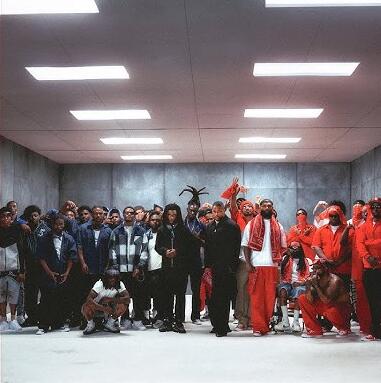
YG and PayGotti join forces for "GANG BIZNESS", a hard-hitting collaboration that serves as the lead single from YG's highly anticipated seventh studio album The Gentlemen's Club. The track arrives as a continuation of YG's long-standing commitment to West Coast gangsta rap, filtered through the lens of his 4Hunnid label aesthetic. PayGotti, a rising voice in the contemporary rap landscape, matches YG's intensity bar-for-bar, creating a track that feels both nostalgically grounded in classic Blood mythology and urgently contemporary in its sonic aggression.
The song's title operates on multiple levels. "Gang business" is the literal translation of the activities and codes that govern street organization life, but it also serves as a declaration of professional intent—this is the business of making music about gang culture, a commercial enterprise built on authentic experience. YG has always walked this line with precision, translating the specific vocabulary of Compton's Piru Bloods into mainstream hip-hop currency without diluting its meaning. "GANG BIZNESS" finds him refining this craft alongside PayGotti, whose verse introduces a different regional flavor while maintaining the thematic coherence of loyalty, violence, and territorial pride.
Musically, the track is built around a menacing, stripped-down production that prioritizes percussive impact over melodic decoration. The "4hunnid!" tag that punctuates the intro immediately establishes the track's pedigree, connecting it to YG's established brand and the broader legacy of West Coast gangsta rap. The decision to release this as the album's lead single signals YG's intent to ground The Gentlemen's Club in street fundamentals before exploring whatever more experimental directions the full project may take.
Lyrics
[Intro: PayGotti & YG]
Doubles, nigga, c'mon
Yeah, yeah, yeah
Dead homies
Ayy, ayy, ayy (4hunnid!)
[Verse 1: PayGotti]
Gang business, I don't really do no lame shit
Ain't no pattin' down the killers that I came with
Freak bitch and her lil' sister on the same shit
Do your thang, on the gang, on the gang, bitch
Blue rag around the .30 when I bounce out
Don't we all just hate a bitch that got a loud mouth?
In the cut with someone, up and clear the crowd out
Nowadays, these niggas kissin' ass just for a shoutout
Do your dance in this bitch, throw your gang up
Quiet nigga get aggressive, I don't say much
Block a bitch until I peep she got her pape' up
Nigga try to keep up with the kid and they went bankrupt
[Chorus: PayGotti]
Right leg, left leg, get your walk on
Gon' be crackin' with the opps until they all gone
Free the gang, and I'ma scream it 'til my dawgs home
Thick bitch, know how to fuck it up and she on all fours
Big chop in the duffle, I'm a flight risk
Main bitch just got beat up by my side bitch
She ain't got no home, trainin' when she ride dick
Gen 5, keep it on my person like side kick
[Verse 2: YG]
Woo, niggas, know who I hang with
Aw, damn, Gizzle on the same shit
Woo, in this bitch, gang thick
Real Blood, I ain't ever bang Crip
Tried to play with my gangsta, but it ain't stick
I don't know what you niggas thought, but it ain't it
Niggas online speakin' way slick
Fuck a stream, make a nigga twitch when that K hit
Ayy, fuck it up, do the Blood walk
Big team hoops, my bad, that's how the Bloods talk
Tell on who? Knock it the fuck off
Do a crime and do the time, what the Bloods taught
Yeah, burnt out, literally, with a whole lot of artillery
The opps ain't gettin' rid of me
This new shit I'm tryna fuck, but I don't know if she feelin' me
Anything is possible off Hennessey
[Chorus: PayGotti & YG]
Right leg, left leg, get your walk on (Get your walk on)
Gon' be crackin' with the opps until they all gone (Get it brackin')<
Free the gang, and I'ma scream it 'til my dawgs home (Free the gang)
Thick bitch, know how to fuck it up and she on all fours (She on, woah)
Big chop in the duffle, I'm a flight risk (Big chop)
Main bitch just got beat up by my side bitch (By my who?)<
She ain't got no home, trainin' when she ride dick (What? What? What?)<
Gen 5, keep it on my person like side kick (What? What? What?)
[Verse 3: YG & PayGotti]
Hol' up, where my bitch at?
Come fuck a rich nigga with a six-pack
Murder Gang, spin first, we don't spin back
I'm the nigga brought the Draccie to the kick back
Goddamn, Gotti, why you did that?
See that bitch right there, I'm tryna hit that
Fuck a bitch, do my dougie with a big strap
I'm the type to get it crackin' where your kids at
Fuck it, if Gotti trippin', I'm trippin'
I'm in this bitch with the Smith and, went up top with the clip in (Dead homies)
I'm from Piru, but her Crippin', trigger finger itchin', we toleratin' no dissin' (Dead homies)
Woulda tried to keep it player but it's too late
Spot a opp and I got blower, I don't shoot fades
Niggas out they rabbit-ass mind like toupee
I'm from the blue bricks, baby, where we shoot Ks
I'm from Top Gang, bitch, and my shoes laced
Went on a few missions, caught a few fades
Squabble up, bitch, I think I'm Luke Cage
Got rich and tried to change, it was too late
I wear a Glock like it's fashion, got three chops in the mansion
My kins know they daddy is active
Enemy go bashin', they don't want beef, they fastin'
I hate opps with a passion
Lyrics Meaning
Intro & The Ritual of Remembrance
The song opens with a coded invocation: "Doubles, nigga, c'mon" establishes the track's street credentials through slang that signals insider knowledge. The "Dead homies" refrain—delivered with ritual gravity—immediately grounds the song in the memorial tradition of gangsta rap, where fallen comrades are acknowledged before any boasting begins. This is not mere preamble but liturgy; the dead must be named before the living can speak. The "4hunnid!" tag that closes the intro functions as both brand identification and territorial marker, announcing that what follows operates within the specific aesthetic and ideological framework of YG's label and worldview.
Verse 1 & PayGotti's Code of Conduct
PayGotti's opening verse establishes the song's ethical framework through negation: "I don't really do no lame shit." The "lame" is defined by exclusion—those who would pat down their own crew for weapons, those who seek social media validation through "shoutouts," those who talk too much. The line "Ain't no pattin' down the killers that I came with" asserts absolute trust within the inner circle; to search your own is to imply doubt, and doubt is weakness. The reference to the "Blue rag around the .30" introduces the song's central chromatic tension—blue is Crip territory, and wrapping a .30 caliber weapon in enemy colors is both provocation and trophy. The verse's closing threat—"Nigga try to keep up with the kid and they went bankrupt"—transforms street competition into economic metaphor, suggesting that attempting to match his lifestyle or violence is a losing investment.
Chorus & The Kinetic Language of Gang Culture
The chorus operates as a compressed glossary of gangsta rap iconography. "Right leg, left leg, get your walk on" references the specific gait and footwork associated with gang identification—the way movement itself becomes a territorial claim. "Crackin' with the opps until they all gone" uses "crackin'" in its West Coast sense of active conflict, while "Free the gang" invokes the prison-industrial complex that disproportionately affects gang-affiliated communities. The sexual imagery—"she on all fours," "trainin' when she ride dick"—collapses the distinction between sexual conquest and territorial dominance, treating women's bodies as extensions of gang territory. The "Gen 5" (Glock 5th generation) "on my person like side kick" transforms the weapon into a companion, a digital-age metaphor for an analog tool of violence.
Verse 2 & YG's Blood Theology
YG's verse is a masterclass in gang identity as theological certainty. "Real Blood, I ain't ever bang Crip" is delivered with the finality of a creed—there is no ambiguity, no phase, no experimentation. The line "Tried to play with my gangsta, but it ain't stick" suggests that others have attempted to undermine his authenticity and failed; his gangsta is not performance but essence. The dismissal of "streams" in favor of making "a nigga twitch when that K hit" is a deliberate rejection of digital-era metrics in favor of analog consequences. The "Blood walk" is both dance and declaration, a physical vocabulary that communicates affiliation without words. The closing sequence—"burnt out, literally, with a whole lot of artillery"—evokes the exhaustion of perpetual vigilance, the burnout that comes from maintaining armed readiness. Yet even in exhaustion, there is no exit: "The opps ain't gettin' rid of me."
Verse 3 & The Collapse of Boundaries
The final verse finds both artists trading lines with increasing aggression, their voices bleeding into each other as the track reaches its climax. The "Murder Gang, spin first, we don't spin back" establishes a tactical philosophy of preemptive violence—strike before being struck, never retreat. The Draco (Draccie) brought to the "kick back" transforms a social gathering into an armed camp. The most chilling line—"I'm the type to get it crackin' where your kids at"—removes any remaining veneer of honorable combat, extending the threat to the most vulnerable. The "Smith and" (Smith & Wesson) with "the clip in" is delivered with the casualness of mentioning a phone or wallet. The Piru/Crip romantic tension—"I'm from Piru, but her Crippin'"—suggests that even intimate relationships are structured by gang affiliation, desire crossing enemy lines. The Luke Cage reference—"Squabble up, bitch, I think I'm Luke Cage"—appropriates the bulletproof Black superhero as a self-image, claiming invincibility through both physical and cultural armor. The final lines—"I wear a Glock like it's fashion, got three chops in the mansion / My kins know they daddy is active"—collapse the distinction between domestic and street life, between fatherhood and gangsterism. The children know their father is "active"—a term that means both currently engaged in gang activity and physically prepared for violence.
Conclusion
"GANG BIZNESS" is a uncompromising document of contemporary West Coast gangsta rap that refuses the compromises of mainstream crossover. YG and PayGotti have crafted a track that is less a song than a status report from a world where violence is currency, loyalty is absolute, and survival depends on maintaining the boundaries between us and them, between real and fake, between life and death. The absence of melodic hooks or radio-friendly choruses is itself a statement—this is music made for a specific community, using a specific vocabulary, and demanding specific knowledge from its listeners.
The collaboration succeeds because both artists share a commitment to authenticity over accessibility. PayGotti's verse establishes the track's moral code; YG's verses deepen and complicate it; the final shared verse dissolves individual identity into collective threat. The production—minimal, percussive, unrelenting—creates space for the lyrics to dominate, refusing the lush arrangements that might dilute the message. This is gangsta rap as it was originally conceived: reportage from the front lines, delivered with the urgency of those who cannot afford to look away.
As the lead single from The Gentlemen's Club, "GANG BIZNESS" sets a confrontational tone for the album. The title itself—<The Gentlemen's Club—carries ironic weight, suggesting that the violence and territoriality described in the song operate according to their own codes of honor, their own rules of engagement. Whether the album will expand on these themes or introduce contrasting elements remains to be seen, but this opening salvo makes clear that YG is not interested in softening his message for broader consumption.
For listeners unfamiliar with the specific vocabulary and cultural references, the song may scan as mere aggression. But for those within the culture it describes, "GANG BIZNESS" offers a detailed, unflinching portrait of a life defined by perpetual conflict, memorial obligation, and the transformation of survival into identity. It is not a celebration nor a condemnation but a documentation—raw, specific, and absolutely committed to its own truth. In the landscape of 2026's hip-hop, it stands as a reminder that gangsta rap remains a vital, evolving form capable of carrying the weight of lived experience without translation or dilution.
