Song Introduction
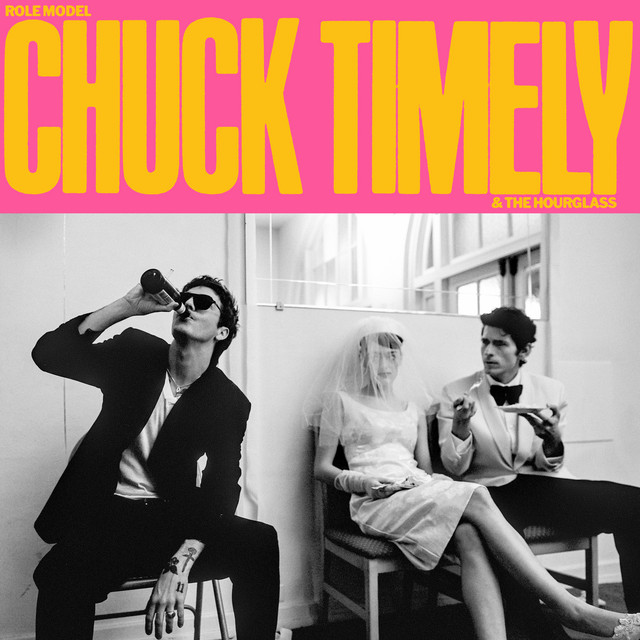
"High Hopes 3000" is the lead single from ROLE MODEL's upcoming third studio album, Chuck Timely & The Hourglass, set to release on August 7, 2026. The track was released on June 3, 2026, and marks the return of Tucker Pilsbury (known as ROLE MODEL) after introducing a mysterious new character persona, Chuck Timely. The song blends his signature introspective songwriting with a more expansive, anthemic sound, exploring themes of loneliness, hope, and the cyclical nature of searching for meaning in modern life.
The title itself — "High Hopes 3000" — suggests a futuristic, almost exaggerated longing for optimism, as if the narrator is reaching for hope in a world that feels technologically advanced yet emotionally hollow. The "3000" evokes a sense of distance, either temporal or emotional, amplifying the desperation in the lyrics.
Lyrics
[Intro]
(Woo)
[Verse 1]
Uh, I end my day the same way it started
Alone in L.A., while I grieve the departed
Waiting, waiting for someone, someone to change my life (Hey)
Brand-new shirt, yes, it's a little expensive
Oh, whatever works to put some joy in the engine
And I go out on the town, trying to change my night
Mm, and doing it over and over and over and over again
Oh, hell
[Chorus]
I need some high hopes, Lord knows I could use 'em
I know I'ma lose 'em when the wheels fall off
Hey now, lend some independence
Stuck inside the fences like a goddamn dog
Long nights, heavy feelings
They say I'm unappealing when I shoot my shot
Come here, honey, show me how to do it
Does love come around or does one come around to it?
(Oh, yeah)
[Verse 2]
I get undressed in the arms of a stranger
Then second-guess that ol' half-sober behavior
Do I really, do I really believe that someone could change my life?
Uh, I'm doing it over, and over, and over, and over again
Where does it end? Mm
[Chorus]
I need some high hopes, Lord knows I could use 'em
I know I'ma lose 'em when the wheels fall off
Hey now, lend some independence
Stuck inside the fences like a goddamn dog
Long nights, heavy feelings
They say I'm unappealing when I shoot my shot
Come here, honey, don't know how to do it
Does love come around or does one come around to it? (Woo)
[Bridge]
Woo, talking 'bout high (high), hopes (hopes), Lord knows I could use 'em
I know I'ma lose 'em when the wheels fall off
Hey (hey), now (now) lend some independence
Stuck inside the fences like a goddamn dog (Okay)
High (high), hopes (hopes), Lord knows I could use 'em
I know I'ma lose 'em when the wheels fall off
Hey (hey) now (now), lend some independence
Stuck inside the fences like a goddamn dog
[Outro]
(Yeah)
High hopes, oh, I could use 'em
High hopes, don't let me lose 'em now
High hopes, oh, I could use 'em
High hopes
Lyrics Meaning
Verse 1 — The Cycle of Empty Routine
The song opens with a stark confession: "I end my day the same way it started / Alone in L.A., while I grieve the departed." The narrator is trapped in a loop of isolation in Los Angeles, a city often associated with dreams and glamour but here reduced to a place of loneliness. The phrase "grieve the departed" is ambiguous — it could refer to lost loved ones, past relationships, or even the death of one's own optimism. The repetition of "waiting, waiting for someone, someone to change my life" reveals a passive longing for external salvation, a theme that resonates throughout the track.
The "brand-new shirt" line introduces a coping mechanism — retail therapy as a temporary fix. The narrator admits it's "a little expensive" but justifies it as fuel for the "engine" of joy. Yet this attempt to manufacture happiness fails; he goes out on the town "trying to change my night," only to repeat the same pattern "over and over and over and over again." The exhaustion in "Oh, hell" captures the frustration of recognizing one's own self-destructive cycle without knowing how to break it.
Chorus — The Paradox of Hope and Helplessness
The chorus is the emotional core of the song, built around a central paradox: the narrator desperately needs hope ("I need some high hopes, Lord knows I could use 'em") but is already convinced he will destroy it ("I know I'ma lose 'em when the wheels fall off"). This self-sabotaging mindset reflects a deep-seated fear — that even if happiness arrives, he is incapable of maintaining it.
The imagery of being "stuck inside the fences like a goddamn dog" is particularly powerful. It suggests feelings of entrapment, perhaps within societal expectations, emotional walls, or the repetitive patterns of his own behavior. The desire for "independence" clashes with this imprisonment, highlighting a tension between wanting freedom and feeling powerless to achieve it.
The line "They say I'm unappealing when I shoot my shot" reveals vulnerability around rejection and self-worth. The narrator feels judged for his attempts at connection, which only deepens his insecurity. The final question — "Does love come around or does one come around to it?" — is a philosophical reflection on agency in romance. Is love something that happens to you, or something you must actively pursue and accept? The ambiguity leaves the listener with the narrator's uncertainty.
Verse 2 — Intimacy and Regret
The second verse descends into more intimate, uncomfortable territory: "I get undressed in the arms of a stranger / Then second-guess that ol' half-sober behavior." This depicts a casual encounter born from loneliness, followed by immediate regret. The "half-sober" state suggests that these choices are made in a blurred, compromised condition — neither fully conscious nor entirely uninhibited.
The repeated question "Do I really, do I really believe that someone could change my life?" shows growing doubt. The narrator is beginning to question whether his strategy of seeking external validation through others is fundamentally flawed. The verse ends with the same cyclical refrain — "over, and over, and over, and over again" — but now with an added desperate question: "Where does it end?" The search for an exit from this loop becomes more urgent.
Bridge — The Mantra of Desperation
The bridge strips the chorus down to its essential elements, repeating "high (high), hopes (hopes)" like a mantra or a prayer. The call-and-response structure ("Hey (hey), now (now)") creates a sense of communal chanting, as if the narrator is trying to convince himself through repetition. The parenthetical "Okay" after "like a goddamn dog" feels like a bitter resignation — an acknowledgment of his trapped state without the energy to fight it anymore.
The repetition here serves a dual purpose: it mirrors the cyclical nature of the narrator's struggles, and it builds emotional intensity through sheer persistence. By the end of the bridge, the words have almost lost their meaning, becoming sounds of raw feeling rather than structured thoughts.
Outro — The Fading Echo
The outro simplifies the message to its essence: "High hopes, oh, I could use 'em / High hopes, don't let me lose 'em now." The plea "don't let me lose 'em now" is the most vulnerable moment in the song — a direct appeal to preserve the fragile optimism that the narrator has spent the entire track both craving and undermining. The final repetition of "High hopes" fades without resolution, leaving the listener suspended in the same uncertainty that defines the narrator's existence.
Conclusion
"High Hopes 3000" is a masterful exploration of modern loneliness and the human tendency to self-sabotage. ROLE MODEL (Tucker Pilsbury) uses the character of Chuck Timely to deliver a narrative that feels both deeply personal and universally relatable. The song captures the paradox of wanting hope while fearing its loss, of seeking connection through methods that only deepen isolation.
The cyclical structure of the lyrics — repeating phrases, recurring questions, and the endless loop of "over and over again" — mirrors the experience of being trapped in unhealthy patterns. The Los Angeles setting adds a layer of irony: in a city built on dreams and reinvention, the narrator finds himself unable to change.
Ultimately, "High Hopes 3000" does not offer easy answers. It sits with the discomfort of uncertainty, asking whether love is something we find or something we learn to accept. The song's power lies in its honesty — in admitting that sometimes we are our own biggest obstacle, and that the first step toward change is recognizing the cage we've built around ourselves. As the lead single from Chuck Timely & The Hourglass, it promises an album that will continue to probe these emotional depths with ROLE MODEL's signature blend of vulnerability and melodic craft.
