Song Introduction
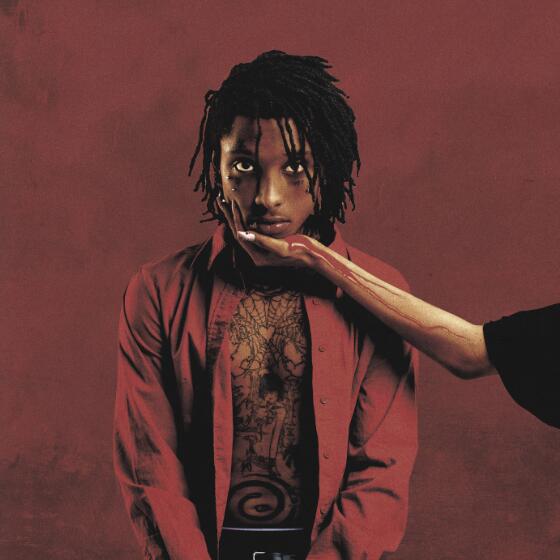
"don't cry" is a raw, emotionally volatile single from TopOppGen, the Charlotte, North Carolina-based rapper who has rapidly ascended from underground sensation to major-label artist. Released in 2026 as part of his prolific output following two full-length albums in 2025—fake pills & real scars and kalon—the track exemplifies the "fast, frenzied flow and reckless yet occasionally vulnerable lyrics" that have defined his rise. Signed to Columbia Records and having accumulated millions of streams, TopOppGen has emerged as a significant voice in the Southern rap scene, influencing artists like 3LuhSteppa, Luvtro, and Draco Savii while drawing comparisons to YoungBoy Never Broke Again for his blend of melodic vulnerability and street-hardened aggression. "don't cry" arrives as a continuation of his 2026 single "she screaming purr (attachments)" and further cements his reputation for unfiltered emotional confession. The song operates in the space between drill's violent bravado and emo-rap's wounded introspection, creating a hybrid style that feels distinctly contemporary. Its title functions as both command and plea—an attempt to suppress tears that the lyrics ultimately prove impossible to hold back. For listeners familiar with TopOppGen's catalog, the track represents an evolution in his willingness to expose romantic fragility alongside the street narratives that established his name; for newcomers, it serves as an accessible entry point into an artist who refuses to separate love from pain, or vulnerability from survival.
Lyrics
[Intro]
Don't cry
Don't cry, don't cry (Don't do that)
Don't cry (Don't do that)
Don't cry (Stop all that crying)
[Chorus]
Yeah, if I do you wrong, babygirl, you ain't got to do the same (Do the same)
I just know that nigga a bitch 'cause he be around lames (Around lames)
Wondering why she don't feel the same, I ain't see your feelings change (Your feelings change)
Just so you can cremate me and keep me, I'll set myself on flames (On flames)
Yeah, I could've went fucking on your friends but that's against the grain (Against the grain, yeah)
You said you wanna be with somebody else and I just feel that's strange (Huh-huh)
Niggas who talkin' 'bout they don't feel my songs ain't been through no type of pain (Ain't been through shit)
I get high like planes, my drugs ain't plain, sedated, can't feel a thing (Can't feel)
[Verse]
I don't wanna do that lying shit no more, can we get past that? (Past that)
We catch opp hoes and turn they brother into a hashtag (Boop-boop-boop)
I hate that friendly shit, I don't care what it's for, you know I get mad at that (Get mad at that)
I met a pretty girl, she love my music and she from Tallahassee (Tallahassee)
We get in that bed, she a different person, we go out she acting classy (She acting classy)
You know I love you, I'll give you all my money, girl, you ain't gotta ask me (You ain't gotta ask me)
I been on the road, ain't seen me in a minute, call me and flash me (Flash me)
Yeah, I hope you don't try to leave for real, thought we was forever lasting (Forever lasting)
I know I fuck up, but I still treat you right (Huh, right)
I been having problems with my mama, I hope she'll be alright (She'll be alright)
I feel taller with you on my side, your love boost my height (Boost my height)
Everybody told me not to trust your ass, I don't even know why I cried (Why I cried)
I've been talking to Ari, I swear I love her, she said it's okay to cry (I love her)
I had talks with the devil, said, "If you want everything, it's sacrifice" (Sacrifice)
I know a nigga who smoked too many blacks, now he got gingivitis (He got gingivitis)
She a party girl, wanna go to raves and listen to Miley Cyrus (Miley Cyrus)
My intentions wasn't to love you, it just spread like Coronavirus
I just flew out the A to New York with pills, ain't even try to tell the pilot
I had to hold my breath for you, turn purple, and be your lil' violet (Your lil' violet)
I think it's best if we just part our ways because our love violent (Our love violent)
[Bridge]
Huh, don't cry (Don't cry)
Yeah, don't— huh, yeah (Oh, I need you)
Don't cry
Don't cry
[Chorus]
Yeah, if I do you wrong, babygirl, you ain't got to do the same (Do the same)
I just know that nigga a bitch 'cause he be around lames (Fuck who you hang 'round)
Wondering why she don't feel the same, I ain't see your feelings change (Your feelings change)
Just so you can cremate me and keep me, I'll set myself on flames (I'll set on flames)
Yeah, I could've went fucking on your friends but that's against the grain (Against the grain)
You said you wanna be with somebody else and I just feel that's strange
Niggas who talkin' 'bout they don't feel my songs ain't been through no type of pain (No type of pain)
I get high like planes, my drugs ain't plain, sedated, can't feel a thing (Can't feel a thing)
[Outro]
Huh
I get high like planes, my drugs ain't plain, sedated, can't feel a thing
Uh-huh, call me, I answer every time
Huh, I hate when you tell me that you love me, shit fuck with my head
Don't cry, huh, don't cry
Lyrics Meaning
The Title's Paradox: Command vs. Confession
The title "don't cry" operates as a command that the entire song ultimately disobeys. The intro's repeated insistence—"Don't cry, don't cry (Don't do that)"—suggests someone trying to suppress their own tears or commanding a partner to stop weeping. Yet by the outro, the narrator admits "I hate when you tell me that you love me, shit fuck with my head" and returns to "Don't cry, huh, don't cry," revealing that the command is directed inward as much as outward. The title thus becomes a failed attempt at emotional control, a mantra repeated precisely because the tears keep coming. This tension between stoic command and emotional overflow defines the song's entire architecture.
Chorus: The Asymmetry of Betrayal and Self-Immolation
The chorus establishes the narrator's twisted moral framework: "if I do you wrong, babygirl, you ain't got to do the same." This is not an apology but a demand for unilateral forgiveness—the narrator reserves the right to hurt while expecting immunity from retaliation. The dismissal of his rival as "a bitch 'cause he be around lames" reveals class-coded contempt; "lames" are uncool, unworthy, lacking the authentic suffering that the narrator claims as his credential. The devastating line "Just so you can cremate me and keep me, I'll set myself on flames" transforms romantic devotion into literal self-destruction, suggesting that the narrator would rather destroy himself than be abandoned, and that this destruction is paradoxically an act of possession—if she cremates him, she keeps him forever. The admission "I could've went fucking on your friends but that's against the grain" positions fidelity as moral stubbornness rather than genuine commitment, while the observation that critics "ain't been through no type of pain" establishes suffering as the price of admission to understanding his art. The final line "I get high like planes, my drugs ain't plain, sedated, can't feel a thing" reveals the pharmacological strategy behind the title's command—he is trying not to cry by chemically anesthetizing himself.
Verse: The Collapse of Boundaries Between Violence and Intimacy
The verse opens with a desperate plea for honesty—"I don't wanna do that lying shit no more, can we get past that?"—yet immediately pivots to street violence: "We catch opp hoes and turn they brother into a hashtag." This jarring juxtaposition reveals how thoroughly the narrator's romantic and street lives have merged, or perhaps how he has never learned to separate them. The casual gunshot sounds ("Boop-boop-boop") following the murder reference demonstrate how desensitized he has become to lethal violence. His hatred of "friendly shit" suggests a worldview where all relationships are adversarial, where warmth is suspect and must be punished. The Tallahassee girl who "love my music" represents the fan-as-romantic-opportunity dynamic common in rapper life, while the observation that she is "a different person, we go out she acting classy" captures the performative nature of modern femininity—one persona in private, another for public consumption. The confession "You know I love you, I'll give you all my money" offers financial devotion as emotional proof, reflecting an economy where cash substitutes for vulnerability. The reference to "problems with my mama" introduces family trauma as context for his romantic dysfunction, while "I feel taller with you on my side, your love boost my height" reveals how thoroughly his self-worth depends on her presence—without her, he shrinks.
The Devil, Disease, and Pandemic Metaphors
The verse's most striking section arrives with its mythological and medical imagery. "I had talks with the devil, said, 'If you want everything, it's sacrifice'" frames the narrator's life as a Faustian bargain where success requires the surrender of something precious—perhaps his soul, perhaps his capacity for healthy love. The bizarre observation about gingivitis from smoking "too many blacks" (black & mild cigars) grounds the verse in specific working-class consumption habits while suggesting that even minor health consequences accumulate in this environment. The reference to Miley Cyrus and raves places his partner in a party-girl cultural sphere that feels alien to his own, while the pandemic metaphor "My intentions wasn't to love you, it just spread like Coronavirus" captures how love arrived unplanned, uncontrollably, infectiously—yet also how it became associated with fear, isolation, and death. The image of flying "from the A to New York with pills, ain't even try to tell the pilot" reveals both his comfort with illegal drug transport and his disregard for legal consequences, while "I had to hold my breath for you, turn purple, and be your lil' violet" transforms asphyxiation into romantic sacrifice—he is literally dying for her, turning the color of a flower in the process. The final conclusion "I think it's best if we just part our ways because our love violent" acknowledges what the entire song has demonstrated: their relationship has become indistinguishable from the violence that surrounds it.
Bridge and Outro: The Return of Suppression
The bridge's return to "don't cry" after the verse's emotional explosion suggests a cyclical pattern—feeling, confessing, then suppressing again. The parenthetical "Oh, I need you" breaks through the command, revealing that beneath the anger and bravado lies genuine dependence. The outro's final lines deliver the song's most vulnerable confession: "call me, I answer every time" proves his availability despite everything, while "I hate when you tell me that you love me, shit fuck with my head" reveals that affection itself has become destabilizing—he cannot receive love without suspicion, without fear that it will be withdrawn. The final "Don't cry, huh, don't cry" leaves the listener suspended in the same unresolved tension where the song began, suggesting that this cycle has no resolution, only repetition.
Conclusion
"don't cry" is a document of emotional chaos, a song that refuses the tidy resolutions of commercial pop in favor of the messy, contradictory reality of young love under extreme pressure. TopOppGen has crafted a track that moves fluidly between romantic pleading, street violence, drug confession, and psychological breakdown, creating a portrait of a narrator who has never learned to separate these domains because his life has never allowed such separation. The Charlotte rapper's frenzied delivery—his signature "fast, frenzied flow"—suits this content perfectly, conveying urgency and instability through rhythm as much as through lyric. What distinguishes the song from mere shock value is the presence of genuine emotional intelligence beneath the aggression: the narrator knows he is destructive, knows his love is violent, knows that his drug use is numbing rather than healing, yet feels powerless to change any of it. The repeated command "don't cry" becomes increasingly tragic with each repetition because the listener recognizes it as impossible—the tears are coming, have already come, will continue to come. In the context of TopOppGen's rapid rise from underground Charlotte artist to Columbia Records signee with millions of streams, "don't cry" also reads as a commentary on the psychological costs of success in the rap industry, where authenticity is demanded but vulnerability is punished, where pain is commodified but never truly addressed. The song does not offer solutions; it offers testimony. And in an era where much popular music feels calculated and sanitized, there is value in testimony this raw, this unfiltered, this unwilling to perform healing it has not achieved. Whether TopOppGen will eventually find his way to the emotional stability he commands but cannot achieve remains an open question. For now, "don't cry" stands as one of his most compelling works precisely because it captures the gap between command and reality, between the stoic mask and the weeping face beneath it.
