Song Introduction
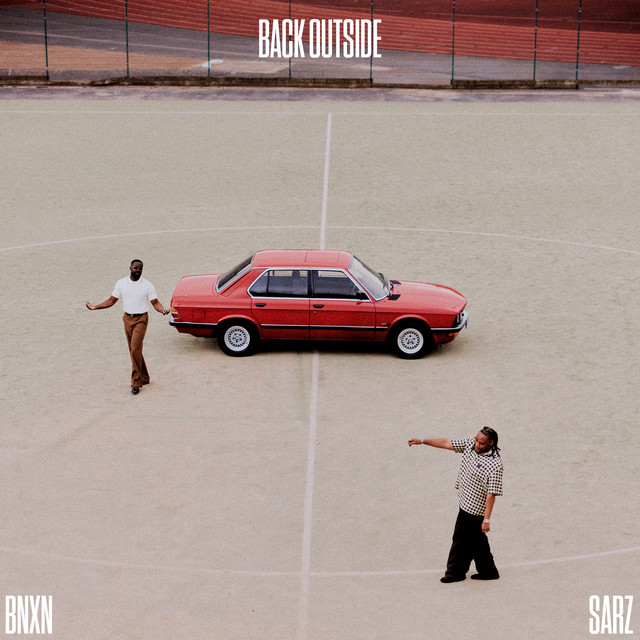
"Back Outside" is a vibrant new single from BNXN (formerly known as Buju), the Nigerian afro-fusion sensation, released on April 21, 2026, in collaboration with acclaimed producer Sarz. The track marks another chapter in BNXN's prolific career following his sophomore album Captain, which was recognized as one of the top five standout albums of 2025 and featured collaborations with Seyi Vibez, Rema, Fola, Victony, and the Soweto Gospel Choir. BNXN first rose to international prominence with his 2022 feature on Pheelz's smash hit "Finesse," which achieved RIAA Gold certification in the United States and helped establish afrobeats as a global force. With "Back Outside," he reunites with Sarz—one of Nigeria's most celebrated producers known for his innovative fusion of traditional African rhythms with contemporary electronic production—to create a track that captures the euphoria of returning to life, love, and movement after periods of isolation. The song blends indigenous Nigerian musical elements, including what appears to be Igbo choral traditions, with modern afro-fusion sensibilities, creating a sound that feels both rooted and forward-looking. Clocking in at approximately three minutes, the single has already generated significant buzz across streaming platforms and social media, reinforcing BNXN's position as one of the most dynamic voices in contemporary African music.
Lyrics
[Chorus: Choir]
Onema dan ka tu meh na ke ta ge, wugoro
Ja du ye mo le ko a la fri a la yi, ye mu doh
Onema dan ka tu meh na ke ta ge, wugoro
Ja du ye mo le ko a la fri a la yi, ye mu doh
Onema dan ka tu meh na ke ta ge, wugoro
Ja du ye mo le ko a la fri a la yi, ye mu doh
Onema dan ka tu meh na ke ta ge, wugoro
Ja du ye mo le ko a la fri a la yi, ye mu doh
[Verse 1: BNXN]
Back outside ọmọ mọ
I was at work, so I laid low
It wasn't my fault, ọmọ mọ
You were out chasing a rainbow
Back outside, ọmọ mọ
I was at work, so I laid low
It wasn't my fault, ọmọ mọ
You were out chasing a rainbow
[Chorus: Choir]
Onema dan ka tu meh na ke ta ge, wugoro
Ja du ye mo le ko a la fri a la yi, ye mu doh
Onema dan ka tu meh na ke ta ge, wugoro
Ja du ye mo le ko a la fri a la yi, ye mu doh
[Verse 2: BNXN]
Oh, Anjola, where are you going for summer?
Are you out in Marbella rockin' your Maison Margiela? Oh
Ṣe na for Winter? (Oh)
When you wan dey come Lagos?
Na who go sort your pick up?
Na who dey wait you for Lagos?
Oh, Anjola (Oh), where are you going for summer?
Are you out in Marbella rockin' your Maison Margiela? Oh
Ṣe na for Winter? (Oh)
When you wan dey come Lagos?
Na who go sort your pick up?
Na who dey wait you for Lagos?
[Verse 3: BNXN]
Tell Tiffany, my gbedu no go finish, oh no
You can ask Pelumi, she go believe my ministry, ogo
Are y'all kidding me?
My gbedu no go finish, oh no
You can ask Pelumi, she go believe my ministry, ogo
[Chorus: Choir]
Onema dan ka tu meh na ke ta ge, wugoro
Ja du ye mo le ko a la fri a la yi, ye mu doh
Onema dan ka tu meh na ke ta ge, wugoro
Ja du ye mo le ko a la fri a la yi, ye mu doh
[Outro: Choir]
Ye mu doh, ye mu doh, ye mu doh, ye mu doh
Ye mu doh, ye mu doh, ye mu doh, ye mu doh
Lyrics Meaning
The Choir: Indigenous Language as Universal Chorus
The song's most distinctive feature is its recurring choir section, sung in what appears to be Igbo or a related Nigerian language. The phrases "Onema dan ka tu meh na ke ta ge, wugoro" and "Ja du ye mo le ko a la fri a la yi, ye mu doh" create an atmosphere of communal celebration that transcends literal translation. In afrobeats tradition, such choral elements often function as spiritual or ancestral invocations, grounding contemporary music in pre-colonial musical practices. The repetition of these phrases—eight times across the song—transforms them into a mantra, a rhythmic foundation that carries the listener through the narrative verses. The phrase "ye mu doh," which dominates the outro, suggests arrival, acceptance, or celebration, serving as the song's emotional resolution. By placing indigenous language at the center of a modern pop structure, BNXN and Sarz assert that Nigerian musical traditions are not historical artifacts but living, evolving forces that can speak directly to global audiences without translation.
Verse 1: The Return and the Accusation
The opening verse establishes the song's central tension through the repeated declaration "Back outside ọmọ mọ." The Yoruba phrase "ọmọ mọ" (which can translate to "child, I know" or function as an emphatic exclamation) adds linguistic texture while signaling BNXN's cultural roots. The narrator explains his absence—"I was at work, so I laid low"—not as neglect but as responsibility, immediately defending himself against implied criticism. The crucial line "It wasn't my fault, ọmọ mọ" suggests a relationship under strain, where absence has been misinterpreted as abandonment. The accusation embedded in "You were out chasing a rainbow" transforms the narrative: while he was working, she was pursuing something illusory, something beautiful but unattainable. The rainbow metaphor carries multiple meanings—it suggests fantasy, escapism, perhaps materialism or romantic delusion. By repeating this verse structure twice, BNXN emphasizes the cyclical nature of their conflict: his return, his defense, his accusation, her alleged pursuit of the impossible.
Verse 2: The Geography of Class and Longing
The second verse shifts to direct address, naming "Anjola"—a Yoruba name meaning "wealth meets wealth" or "prosperity meets prosperity"—which ironically underscores the class dynamics at play. The narrator interrogates her travel plans with a mixture of concern and suspicion: "where are you going for summer?" The mention of Marbella, the exclusive Spanish resort, and Maison Margiela, the luxury Belgian fashion house, establishes a world of international privilege that contrasts with the Lagos home base. His questions—"Ṣe na for Winter?" (Is it for winter?), "When you wan dey come Lagos?" (When will you come to Lagos?), "Na who go sort your pick up?" (Who will arrange your pickup?), "Na who dey wait you for Lagos?" (Who is waiting for you in Lagos?)—reveal anxiety about her movements and the men who might be facilitating them. The repetition of these questions suggests obsessive rumination; he cannot stop imagining her in luxury spaces without him, surrounded by people who can offer what he cannot. This verse captures the specific tension of modern Nigerian relationships, where diasporic mobility and local loyalty often collide, and where class aspiration can be read as romantic betrayal.
Verse 3: The Ministry of Music and Self-Belief
The third verse pivots from romantic anxiety to professional confidence. "Tell Tiffany, my gbedu no go finish, oh no"—"gbedu" being Yoruba slang for music, vibe, or party energy—asserts that his creative power is inexhaustible. The reference to "Pelumi" (a Yoruba name meaning "be with me" or "stay with me") who "go believe my ministry" frames his music as spiritual service, something that requires faith and generates conviction. The phrase "Are y'all kidding me?" injects American colloquialism, reflecting the global hybridity of contemporary Nigerian English. By naming specific women—Tiffany and Pelumi—BNXN personalizes his support system, suggesting that while Anjola may be drifting toward Marbella, others remain loyal to his artistic mission. This verse functions as self-affirmation in the face of romantic doubt: if she cannot see his value, others can, and his creative energy will continue regardless of her recognition.
The Outro: Arrival and Acceptance
The outro's eightfold repetition of "Ye mu doh" strips the song down to its essential emotional core. After the narrative complexity of the verses—defense, accusation, interrogation, self-affirmation—the outro returns to pure sound and feeling. The phrase, whatever its precise linguistic meaning, functions as a release, a letting go of the tension that has built across the song. It suggests that "back outside" is not merely a physical return but an emotional one, a re-entry into life and possibility after periods of confinement, whether literal or metaphorical. The choir's voices, layered and harmonized, create a sense of communal embrace that contrasts with the isolation expressed in the verses. The outro thus resolves the song not by solving its romantic conflict but by transcending it, suggesting that individual heartbreak is bearable when anchored in collective musical tradition.
Conclusion
"Back Outside" represents BNXN at his most culturally confident, a track that refuses to choose between indigenous tradition and global aspiration, between romantic vulnerability and professional swagger. The collaboration with Sarz proves inspired—the producer's reputation for innovative fusion provides the perfect foundation for BNXN's linguistic and emotional range. The song's structure, with its alternating verses and choral refrains, mirrors the push-and-pull of modern Nigerian identity: the individual voice negotiating love, class, and career against a backdrop of ancestral sound that persists regardless of personal circumstance. In the context of BNXN's rising career—from the RIAA Gold-certified "Finesse" to the acclaimed Captain album to this new release—"Back Outside" demonstrates an artist increasingly comfortable with his own complexity, willing to let indigenous language carry universal emotion and to let personal confession coexist with professional boast. For listeners familiar with afrobeats' global expansion, the song offers a reminder that the genre's power lies not in dilution but in depth, not in translating Nigerian experience for foreign consumption but in trusting that authentic expression will find its audience. "Ye mu doh" may not require translation to move bodies on dance floors from Lagos to London to Los Angeles, and that is precisely BNXN's point: some returns need no explanation, only celebration.
